

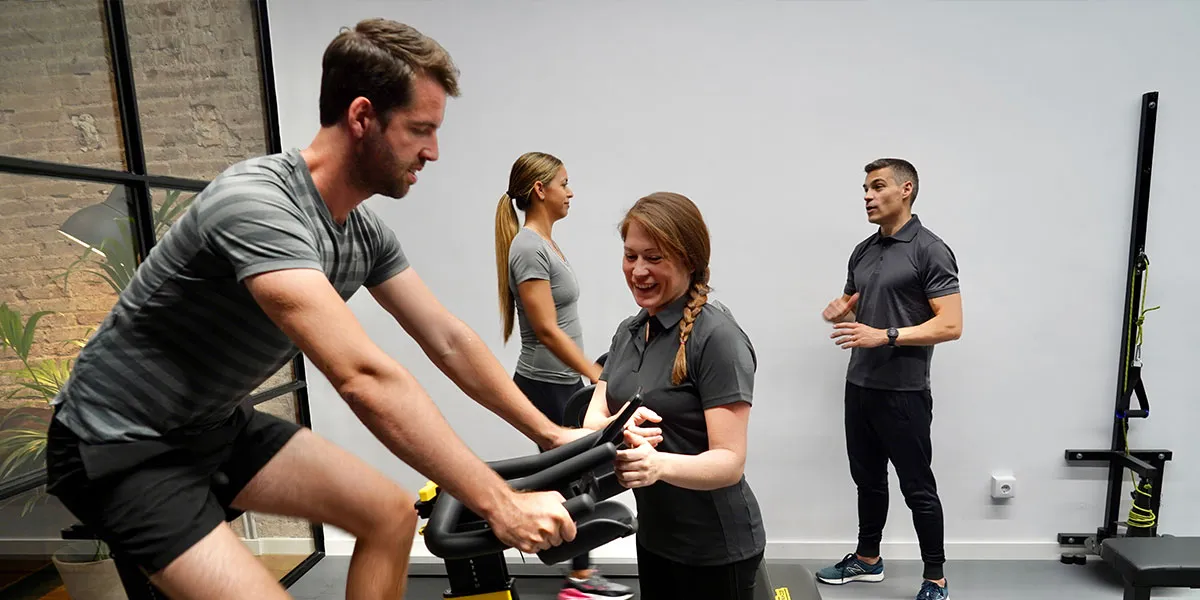
For many working adults in Singapore, hiring a personal trainer feels like a luxury rather than a practical decision. With long work hours, family responsibilities, and constant time pressure, fitness is often pushed down the priority list. When results do not come from self-directed gym sessions, the question becomes whether paying for professional coaching is truly worth it.
Working with a personal fitness trainer singapore should not be evaluated purely by session price. The real question is return on investment, not only in physical results, but also in time saved, injuries avoided, energy gained, and consistency achieved. This article breaks down the true business case behind personal training and why many professionals see it as a high-value investment rather than an expense.
Why Self-Directed Training Often Fails Busy Professionals
Most professionals start with good intentions. They sign up for a gym membership, follow online workouts, or train inconsistently between meetings. Over time, motivation fades and results stall.
Common reasons self-training fails include:
-
Lack of clear structure and progression
-
Poor exercise selection and technique
-
Inconsistent scheduling due to work demands
-
Training too hard or too little without guidance
-
No accountability when motivation drops
These factors lead to wasted time, frustration, and often injury, which further delays progress.
Cost Versus Value: A Smarter Way to Evaluate Personal Training
The cost of personal training is easy to see. The value is less obvious but far more important. Value comes from outcomes rather than effort alone.
High-value outcomes include:
-
Faster progress due to personalised programming
-
Reduced injury risk through proper technique
-
Time efficiency from focused sessions
-
Improved energy and mental clarity at work
-
Sustainable habits rather than short-term fixes
When evaluated through outcomes, personal training often delivers a strong return.
Time as the Most Valuable Currency
For professionals, time is limited and expensive. Spending hours experimenting with workouts or recovering from poor training choices has an opportunity cost.
Personal training improves time efficiency by:
-
Eliminating guesswork
-
Prioritising exercises that deliver results
-
Structuring sessions for maximum impact
-
Adapting plans quickly when schedules change
A well-planned 60-minute session often outperforms multiple unfocused gym visits.
Injury Prevention as a Financial Benefit
Injuries are not just physical setbacks. They affect productivity, sleep, mood, and medical expenses.
Professional coaching reduces injury risk by:
-
Screening movement patterns early
-
Teaching correct technique under load
-
Managing progression to avoid overuse
-
Adjusting training during high-stress periods
Avoiding even one moderate injury can offset months of training costs.
Consistency as the Hidden Multiplier
Results depend on consistency, not motivation. Accountability provided by a trainer often makes the difference between sporadic effort and long-term adherence.
Consistency improves through:
-
Scheduled sessions that protect training time
-
External accountability during low-motivation phases
-
Clear tracking of progress
-
Support during setbacks or plateaus
Consistency compounds results over months and years.
Performance Benefits That Extend Beyond the Gym
Training impacts more than physical appearance. Many professionals report improvements in work performance and mental resilience.
Common spillover benefits include:
-
Improved focus during long workdays
-
Better stress tolerance
-
Enhanced posture and confidence
-
More stable energy throughout the day
These benefits directly influence productivity and decision-making.
Package Structures and Smart Commitment Levels
Choosing the right training package is part of maximising ROI. Overcommitting can create pressure, while undercommitting slows progress.
Smart considerations include:
-
Session frequency aligned with goals
-
Flexibility for travel or peak work periods
-
Clear milestones to evaluate progress
-
Hybrid approaches combining coached and independent sessions
The best package is one that fits lifestyle constraints realistically.
Red Flags That Reduce Return on Investment
Not all personal training delivers value. Recognising red flags protects your investment.
Warning signs include:
-
Generic programmes with no personalisation
-
No tracking of progress or metrics
-
Overemphasis on exhaustion rather than improvement
-
Lack of explanation or education
-
Pressure to upgrade without clear rationale
Quality coaching focuses on outcomes, not upselling.
The Role of Training Environment and Support Systems
Environment influences consistency and perceived value. Many professionals benefit from structured facilities where equipment access, scheduling, and support are seamless.
Training within established environments such as True Fitness Singapore provides access to professional infrastructure that enhances session efficiency and long-term adherence.
Support systems amplify the value of coaching.
Measuring Progress Beyond the Scale
Return on investment should be measured using multiple indicators, not just weight change.
Meaningful progress markers include:
-
Strength gains
-
Improved cardiovascular endurance
-
Reduced pain or stiffness
-
Better sleep quality
-
Increased daily energy
These indicators reflect real health and performance improvements.
Real-Life FAQs on Personal Training Value and ROI
How long should I train before evaluating results?
Most professionals should evaluate progress after eight to twelve weeks, focusing on strength, energy, and consistency rather than appearance alone.
Is one session per week enough to justify the cost?
Yes, if the session is well-structured and supported by independent activity. Quality and consistency matter more than frequency.
What if my schedule changes often?
A good trainer adapts session structure and volume to accommodate changing workloads without derailing progress.
Does personal training only benefit beginners?
No. Experienced gym users often benefit more due to refined programming and efficiency improvements.
How do I know if I am getting value from my trainer?
You should see measurable progress, clear communication, and adjustments based on your feedback and performance.
Is personal training still worth it if my goal is health, not aesthetics?
Yes. Health-focused outcomes such as energy, mobility, and resilience often deliver the highest long-term value.
Can personal training replace medical treatment?
No. Training complements medical care but does not replace professional medical advice when needed.
What is the biggest long-term benefit of hiring a trainer?
Building sustainable habits that support health, performance, and confidence over time.
For busy professionals, personal training is not about indulgence. It is a strategic investment in health, performance, and consistency that delivers returns well beyond the gym when implemented with purpose and structure.